Why Does My Furnace Keep Shutting Off Before Reaching the Set Temperature?
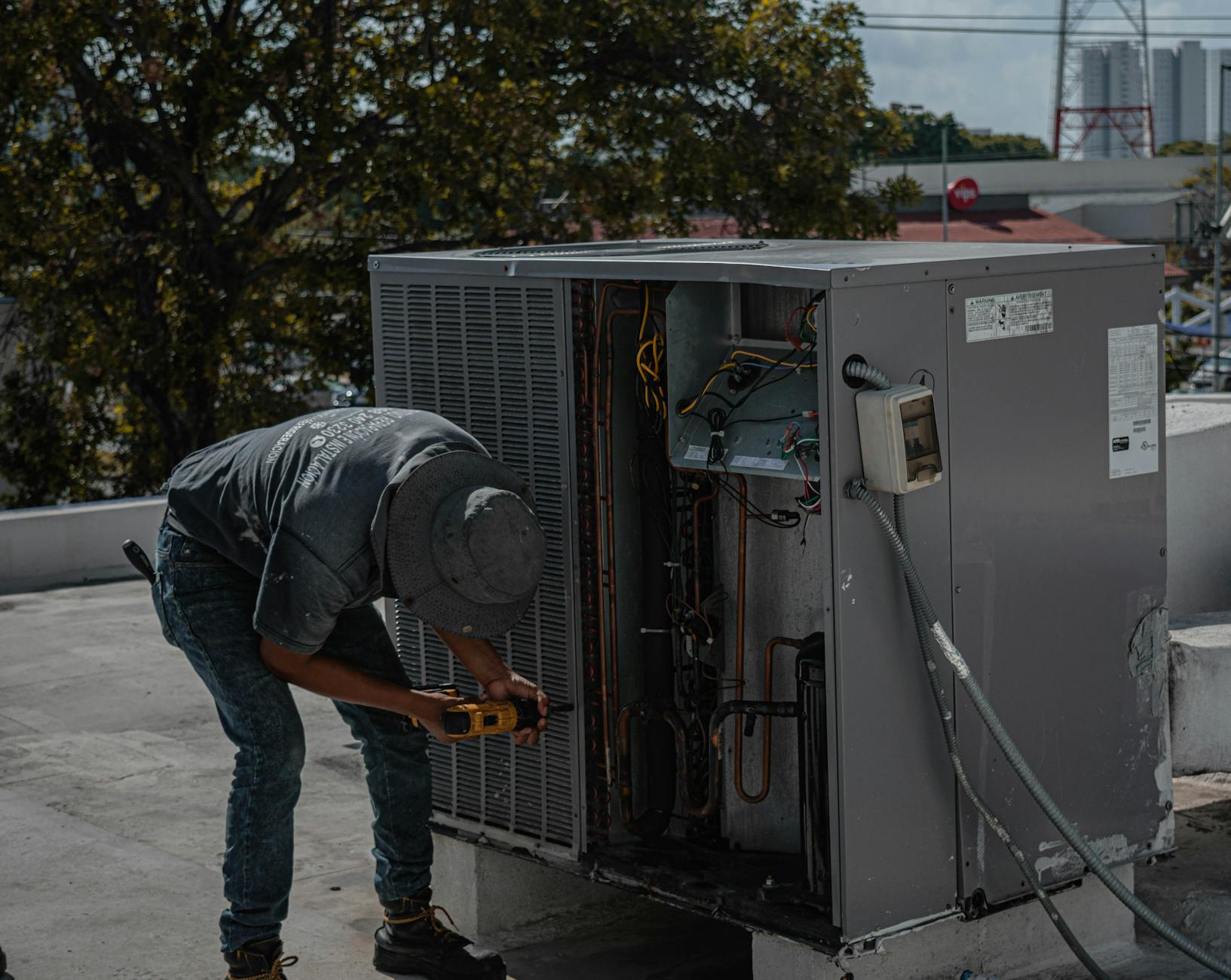
Your furnace is shutting off early because something is capping how long it's allowed to run - most often a clogged air filter, a dirty flame sensor, a high-limit switch tripping on overheating, a blocked flue, or a furnace that's simply oversized for the house. The thermostat isn't the problem; it's doing its job and reporting that the room never got warm. What follows is the same diagnostic order our technicians use on service calls, plus what each fix costs in 2026 and the signs that mean you should stop troubleshooting and call someone.
What Short Cycling Actually Means
Short cycling is when a furnace fires up, runs for a short stretch - usually 3 to 10 minutes - and shuts down before the thermostat set point is reached, then repeats the cycle a few minutes later. A healthy furnace runs 15 to 20 minutes per cycle on a cold day and then rests. If yours is running in 5-minute bursts all evening, that's the pattern.
Two different things are happening under that pattern, and they matter for diagnosis. Either the furnace is satisfying a safety limit (high-limit switch, flame sensor, pressure switch) and cutting the burner, or the thermostat is losing its call for heat because of a control or airflow issue. The first is a furnace problem. The second is often a thermostat, wiring, or airflow problem. Both produce the same symptom from the hallway.
The reason this matters: a furnace that trips a safety limit repeatedly is telling you something is wrong with combustion, airflow, or heat exchange. Ignoring it doesn't just cost you comfort - it accelerates wear on the blower motor, the ignitor, and the heat exchanger itself.
Why Does My Furnace Keep Shutting Off Before Reaching the Set Temperature?
The direct answer: the furnace is hitting a limit before the room hits temperature. That limit is almost always one of six things - restricted airflow, a dirty flame sensor, an overheating heat exchanger, a blocked flue or intake, an oversized unit, or a thermostat/control fault. Airflow problems are the most common by a wide margin, and they're also the cheapest to fix.
Here's the short version of how each one shows up:
- Restricted airflow - filter, return grille, or blower wheel clogged. Furnace runs hot, high-limit trips, burner cuts out, blower keeps running to cool the plenum.
- Dirty flame sensor - burner lights, runs 5-10 seconds, then shuts off. Repeats. Often three attempts then lockout.
- Overheating / cracked heat exchanger - burner runs longer, then high-limit trips. May smell like burning dust or have a faint metallic odor.
- Blocked flue or intake - pressure switch never proves, or proves then drops. Furnace short-cycles or won't stay lit at all.
- Oversized furnace - runs short cycles from day one, especially in mild weather. Common in homes where a contractor replaced "same size as the old one" without a load calculation.
- Thermostat or control fault - furnace runs fine when jumpered at the board but short-cycles on the wall stat. Usually a wiring, anticipator, or smart-stat configuration issue.
The Most Common Causes, Ranked by How Often We See Them
1. Clogged air filter (about 40% of short-cycling calls)
A 1-inch pleated filter that hasn't been changed in 90 days can cut airflow by 30-50%. The furnace fires, the heat exchanger gets hot, the high-limit switch trips at its set point (usually 160-200°F on residential units), the burner shuts off, and the blower keeps running until the plenum cools. Then it fires again. Same loop, all night.
Change the filter first. If the short cycling stops, you found it. If it doesn't, keep reading - but you've eliminated the most common cause for free.
2. Dirty or failing flame sensor (about 20%)
The flame sensor is a small rod that sits in the burner flame and proves the gas is actually lit. When it gets coated with carbon or silica (from dust in the air), it can't sense the flame, so the board shuts the gas valve after 5-10 seconds as a safety measure. The furnace lights, runs briefly, shuts off, retries, and eventually locks out.
Cleaning a flame sensor takes about 10 minutes with steel wool. Replacing one runs $150-$300 installed in 2026, depending on the unit and access.
3. High-limit switch tripping on a real overheat (about 15%)
If the filter is clean and the furnace still trips the high-limit, the problem is usually downstream: a dirty blower wheel, a failing blower capacitor, a weak blower motor, or a heat exchanger that's cracked and letting combustion gases recirculate. This is where furnace blower motor repair or a full heat-exchanger inspection comes in. Don't keep resetting the limit switch - it's a safety device, not a nuisance.
4. Blocked flue or intake (about 10%)
High-efficiency furnaces pull combustion air from outside and exhaust through PVC pipe. Birds nest in the intake, snow blocks the termination, or a contractor's landscaping buries the pipe. The pressure switch can't prove draft, so the furnace either won't fire or fires and shuts off within a minute. Check the exterior termination first - this is a 5-minute fix if it's a bird nest.
5. Oversized furnace (about 10%)
A furnace that's 30-50% oversized for the home heats the space too fast, satisfies the thermostat in 4-6 minutes, and shuts off. In mild weather it short-cycles constantly. This is a design problem, not a repair - the fix is a proper load calculation (Manual J) and, if the unit is genuinely oversized, furnace replacement with a correctly sized unit.
6. Thermostat, wiring, or control board (about 5%)
Smart thermostats with aggressive cycle-rate settings, a loose C-wire, or a failing control board can all cause short cycling that looks mechanical but isn't. If the furnace runs normally when jumpered at the board, the problem is upstream at the stat or the wiring.
How to Tell Which One You Have in 15 Minutes
Before you call anyone, run this sequence. It's the same one we run on arrival, and it narrows the cause down to one or two candidates.
- Check the filter. Hold it up to a light. If you can't see through it, replace it. A basic 16x25x1 filter is $8-$20 at any hardware store.
- Watch the first 60 seconds of a call for heat. Write down: does the ignitor glow? Does the burner light? How many seconds until it shuts off? 5-10 seconds points to flame sensor. 3-8 minutes points to high-limit or airflow.
- Check the exterior flue and intake. Look for nests, snow, ice, or debris. Clear anything blocking the pipe.
- Check the LED fault code on the control board. Most modern furnaces blink a code - count the blinks and look it up in the door panel chart. It will usually tell you "high limit" or "flame sensed" directly.
- Listen to the blower. A blower that sounds labored, hums without starting, or runs at one speed when it should ramp is a motor or capacitor issue.
If the fault code points to flame sense or high limit and the filter is clean, stop there. Those two are the ones that turn into bigger repairs if you keep running the furnace.
What Short Cycling Costs You If You Ignore It
Short cycling is not free. A furnace that runs 5-minute cycles instead of 15-minute cycles runs roughly three times as many ignition sequences per heating season. Each ignition cycle wears the ignitor, the flame sensor, the gas valve, and the blower relay. Ignitors that should last 5-7 years fail in 2-3.
On the energy side, a short-cycling furnace loses efficiency because it never reaches steady-state operation. You'll see it on the gas bill - typically 10-20% higher than a properly cycling furnace in the same house. In a cold-climate state like Minnesota or upstate New York, that's $150-$400 per winter depending on the home.
And the big one: a furnace that's tripping the high-limit because of a cracked heat exchanger can push carbon monoxide into the living space. If your CO detector has gone off, or you smell combustion odor near the vents, shut the furnace off at the breaker and call for emergency furnace repair before you do anything else.
Common Mistakes Homeowners Make With a Short-Cycling Furnace
The first mistake is turning the thermostat up 5 degrees to "force" the furnace to run longer. That doesn't work - it just makes the high-limit trip faster. The second is resetting the breaker or the furnace door switch repeatedly to clear a lockout. The lockout is there because the board saw a fault three times in a row. Resetting it doesn't fix the fault.
Other ones we see every winter:
- Running a high-MERV filter in a system that can't handle it. A MERV 13 filter in a furnace designed for MERV 8 will choke airflow and cause short cycling. Match the filter to the blower.
- Closing too many supply vents. Closing vents in unused rooms raises static pressure and can trip the high-limit. Keep at least 80% of vents open.
- Ignoring a blinking fault code. The board is telling you what's wrong. Read it.
- Letting a "handyman" bypass the high-limit switch. That's a fire and CO hazard. Never let anyone disable a safety switch.
When to Call a Professional
Call a technician if the filter change didn't fix it, if the fault code points to flame sense or high limit, if you smell gas or combustion odor, or if the furnace is more than 15 years old and short cycling. Those are the cases where a $150 diagnostic saves you a $1,200 repair or a CO incident.
Our team handles gas furnace repair and electric furnace repair across the country, and we carry the parts for the most common short-cycling failures on the truck. We diagnose first, tell you the cost before we start, and don't sell you a replacement when a $200 sensor will fix it. If you're in a colder region - the upper Midwest, the Northeast, mountain states - we also run furnace maintenance & tune-up visits in early fall so short cycling doesn't show up in January.
Frequently Asked Questions
Why does my furnace shut off before reaching the set temperature?
Because a safety limit is tripping before the thermostat is satisfied. The three most common causes are a clogged air filter (restricted airflow), a dirty flame sensor (can't prove flame), and a high-limit switch tripping on a real overheat. Change the filter first - it fixes roughly 4 in 10 cases.
How much does it cost to fix a furnace that keeps short cycling?
Typical 2026 pricing: $150-$300 for a flame sensor clean or replace, $250-$600 for a blower motor capacitor or motor repair, $400-$900 for a high-limit or control board replacement, and $3,500-$7,500 for a full furnace replacement if the unit is oversized or the heat exchanger is cracked. Diagnostic fees usually run $79-$149 and are often credited toward the repair.
Can a dirty filter really cause a furnace to short cycle?
Yes. A 1-inch filter that hasn't been changed in 90 days can cut airflow by 30-50%, which raises the heat exchanger temperature until the high-limit switch trips at 160-200°F. The burner shuts off, the blower keeps running, and the cycle repeats. Replace the filter and the short cycling usually stops immediately.
Is short cycling dangerous?
It can be. If the cause is a cracked heat exchanger or a blocked flue, the furnace can push carbon monoxide into the home. If your CO detector has gone off, or you smell combustion odor, shut the furnace off at the breaker and call for emergency service. Short cycling from a dirty filter is not dangerous, but it does wear out the ignitor and blower faster.
How long should a furnace run per cycle?
A healthy furnace runs 15-20 minutes per heating cycle on a cold day, then rests 10-15 minutes. If yours runs 3-10 minutes and shuts off, that's short cycling. If it runs less than 3 minutes, that's a serious fault - usually flame sensor or pressure switch - and you should stop running it until a technician looks at it.
Get Help With Furnace Repair in the United States
If your furnace is still short cycling after a filter change, or the fault code points to flame sense, high limit, or a blocked flue, don't wait for the next cold snap. We diagnose the cause, give you the price before we start, and fix it the same day in most cases.
Call Furnace Rescue Pros at (855) 797-0010 for furnace repair across the United States - we'll get your heat back to a full cycle and keep it there.
Frequently asked questions
Why does my furnace shut off before reaching the set temperature?
A safety limit is tripping before the thermostat is satisfied. The three most common causes are a clogged air filter, a dirty flame sensor, and a high-limit switch tripping on a real overheat. Change the filter first - it fixes roughly 4 in 10 cases.
How much does it cost to fix a furnace that keeps short cycling?
Typical 2026 pricing: $150-$300 for a flame sensor, $250-$600 for blower motor repair, $400-$900 for a high-limit or control board, and $3,500-$7,500 for furnace replacement. Diagnostic fees run $79-$149 and are often credited toward the repair.
Can a dirty filter really cause a furnace to short cycle?
Yes. A 1-inch filter that hasn't been changed in 90 days can cut airflow by 30-50%, raising the heat exchanger temperature until the high-limit switch trips at 160-200°F. Replace the filter and the short cycling usually stops immediately.
Is short cycling dangerous?
It can be. If the cause is a cracked heat exchanger or blocked flue, the furnace can push carbon monoxide into the home. If your CO detector has gone off, shut the furnace off at the breaker and call for emergency service.
How long should a furnace run per cycle?
A healthy furnace runs 15-20 minutes per heating cycle on a cold day, then rests 10-15 minutes. If yours runs 3-10 minutes and shuts off, that's short cycling. Under 3 minutes is a serious fault - stop running it.