What Are the Most Common Gas Furnace Problems and Their Causes?
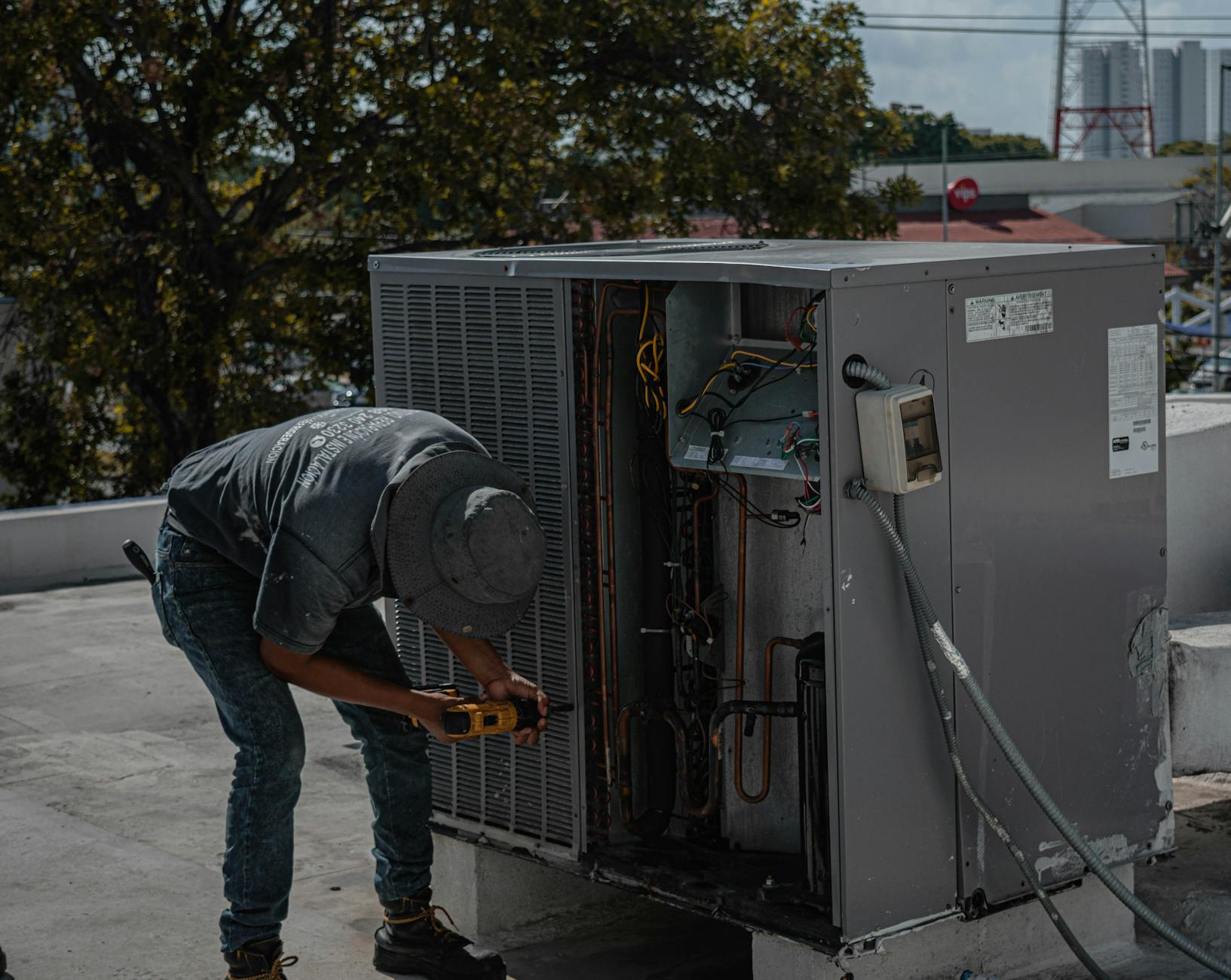
The most common gas furnace problems are clogged air filters, failed igniters, faulty thermostats, blocked flues, and worn blower motors - and nearly all of them trace back to one of four causes: restricted airflow, ignition failure, control failure, or a mechanical part that has simply reached the end of its service life. Gas furnace repair is the trade of tracing a symptom like "no heat" or "short cycling" back to the specific component that caused it, then replacing or cleaning that component so the system runs through a full heating cycle again. Below we walk through each problem, what causes it, what it costs to fix in 2026, and the warning signs that mean you should stop resetting the breaker and call someone.
The Short Answer: What Usually Goes Wrong
Most no-heat calls we run across the United States fall into five buckets, and they show up in roughly this order of frequency:
- Airflow restriction - a filter that has not been changed in 60 to 90 days, a blocked return, or a dirty evaporator coil.
- Ignition failure - a hot surface igniter that reads open, a dirty flame sensor, or a gas valve that will not open.
- Control failure - a thermostat calling for heat that the control board never receives, or a board that has lost a relay.
- Mechanical wear - a blower motor drawing high amps, a failed inducer motor, or a capacitor that has drifted out of spec.
- Safety lockouts - a pressure switch that will not close because the flue or condensate line is blocked.
If you want a single rule of thumb: furnaces rarely fail suddenly. They fail slowly, and the first symptom is usually a longer run time or a higher gas bill, not a dead system. If your furnace is already dead and it is below freezing outside, that is an emergency furnace repair situation, not a wait-until-Monday situation.
Why Does My Gas Furnace Keep Shutting Off Before the House Warms Up?
Short cycling - the furnace fires, runs for 2 to 5 minutes, shuts off, and repeats - is almost always caused by one of three things: a restricted air filter, an oversized furnace for the ductwork, or a high-limit switch tripping because the heat exchanger is getting too hot. The high-limit switch is a safety device. When it trips, it means the furnace is overheating, and the fix is to restore airflow, not to bypass the switch.
Check the filter first. A 1-inch fiberglass filter in a typical 2,000-square-foot home should be changed every 30 to 60 days during heating season. A 4-inch media filter can go 6 to 12 months. If the filter is gray and matted, you have found your cause more often than not. If the filter is clean and the furnace still short cycles, the problem is deeper - a dirty secondary heat exchanger, a failing blower motor, or a gas valve that is over-firing. That is when you want a technician with a combustion analyzer, not a YouTube video.
Dirty Filters and Restricted Airflow
Restricted airflow is the single most common cause of gas furnace problems, and it is also the cheapest to prevent. When the filter loads up, the blower pulls against resistance, the heat exchanger runs hotter than it was designed to, and the high-limit switch starts tripping. Over a season or two, that heat cycling cracks the exchanger.
Three airflow problems we see constantly:
- Filter installed backward. The arrow on the filter frame points in the direction of airflow, toward the blower. Installed backward, a pleated filter sheds fibers into the blower wheel.
- Returns blocked by furniture. A return grille covered by a sofa or a rug starves the system. Keep 12 inches of clearance around every return.
- Ductwork undersized for the furnace. Common in homes where a 100,000 BTU furnace was installed on ductwork sized for an 80,000 BTU unit. The furnace is fine; the ducts are not.
If your system has not been serviced since last winter, a furnace maintenance & tune-up in the fall is the cheapest insurance you can buy. We clean the flame sensor, check the igniter resistance, measure static pressure, and test the inducer - the four things that cause most mid-winter breakdowns.
Ignition and Flame Problems
A furnace that runs the inducer fan but never lights is almost always an ignition problem. Modern gas furnaces use either a hot surface igniter (HSI) or a spark igniter. The HSI is a fragile silicon carbide or silicon nitride element that glows orange at around 1,800°F. It cracks. It also degrades silently - a worn igniter may still glow but not draw enough current to open the gas valve.
Common ignition and flame faults:
- Failed hot surface igniter. Typical replacement cost in 2026 runs $150 to $350 installed, depending on the furnace brand.
- Dirty flame sensor. The flame sensor is a thin rod that proves a flame is present. A coating of carbon or silica blocks the microamp signal, and the furnace shuts off after 3 to 7 seconds. Cleaning it takes 10 minutes; replacing it costs $80 to $200.
- Gas valve failure. The valve opens on a 24-volt signal from the control board. If the board sends voltage and the valve does not open, the valve is bad. Replacement runs $350 to $700 installed.
- Blocked flue or intake. A bird nest, a wasp nest, or snow packed into the intake can prevent the pressure switch from closing. The furnace will not even attempt ignition.
If you smell gas at any point - a rotten-egg odor near the furnace - leave the house and call your gas utility from outside. Do not flip a light switch. Do not call us first; call the utility.
Thermostat and Control Board Faults
Thermostat and control board faults account for roughly one in five no-heat calls, and they are the easiest to misdiagnose. A thermostat that reads 68°F but never sends the 24-volt call for heat is not a thermostat problem - it is usually a broken thermostat wire, a blown 3-amp fuse on the control board, or a float switch in the condensate pan that has tripped.
What we check, in order:
- Thermostat batteries and settings. A thermostat in "cool" or "fan only" mode will not fire the furnace. Sounds obvious; it is the first thing we verify.
- Low-voltage fuse. A 3-amp automotive-style fuse on the control board protects the 24-volt circuit. A shorted thermostat wire blows it.
- Control board LEDs. Every modern furnace has a diagnostic LED that blinks a fault code. A code of 3 flashes on a Carrier, for example, means a pressure switch fault. Read the code before you replace anything.
- Condensate float switch. High-efficiency furnaces produce water. If the drain line clogs, the float rises and shuts the furnace down. Clearing the trap often restores heat in minutes.
Blower Motor and Airflow Failures
A blower motor that is failing announces itself with noise, heat, or both. You will hear a rumble or a screech on startup, or the motor will run hot and trip its internal thermal overload after 10 to 15 minutes. ECM blower motors - the variable-speed motors in most furnaces built after 2010 - fail differently. They usually throw a fault code rather than make noise, and a replacement module can cost $600 to $1,200 installed.
Signs you need furnace blower motor repair rather than a cleaning:
- The blower runs constantly, even when the thermostat is satisfied.
- The motor draws more than its nameplate amp rating (we measure with a clamp meter).
- The blower wheel is packed with dust and out of balance, causing vibration.
- The motor hums but does not spin - usually a failed run capacitor, a $20 part that takes 15 minutes to swap.
Do not run a furnace with a failing blower. The heat exchanger has no way to shed heat, and you will turn a $400 motor replacement into a $2,500 heat exchanger job.
Cracked Heat Exchangers and Carbon Monoxide Risk
A cracked heat exchanger is the one furnace problem you cannot defer. The heat exchanger is the metal wall that separates combustion gases from the air you breathe. When it cracks, carbon monoxide can enter the supply air. This is not a hypothetical - CO poisoning sends roughly 50,000 Americans to the emergency room each year, according to CDC data.
Warning signs of a cracked heat exchanger:
- A yellow, lazy flame instead of a crisp blue one.
- Soot streaks on the burner compartment or the front panel.
- A CO detector alarming - evacuate and call 911 first, then us.
- Headaches, nausea, or drowsiness that improve when you leave the house.
Any furnace over 15 years old with a cracked heat exchanger is a replacement, not a repair. A furnace replacement in 2026 runs $3,800 to $7,500 installed for a standard 80% AFUE unit, and $5,500 to $10,000 for a 96% AFUE condensing furnace. That is real money, but it is less than a hospital stay.
Common Mistakes Homeowners Make
The mistakes we see most often cost homeowners money twice - once for the wrong part, and once for the repair they actually needed.
- Replacing the igniter when the flame sensor is dirty. The igniter glows, so it looks fine. The sensor is the problem 60% of the time.
- Bypassing the high-limit switch. Never. It is a safety device, and defeating it is how furnaces catch fire.
- Running the furnace with the front panel off. The panel is part of the combustion air path. Off, the furnace over-fires and the rollout switch trips.
- Using the wrong filter. A MERV 13 filter in a system designed for MERV 8 chokes airflow and causes the exact problems you were trying to prevent.
- Ignoring a CO detector. If it chirps, replace the battery. If it alarms, get out.
- Resetting the breaker repeatedly. A furnace that trips the breaker has a short. Resetting it does not fix the short.
When to Call a Professional
Call a licensed technician when the furnace will not light after two ignition attempts, when you smell gas, when the CO detector alarms, when the breaker trips, or when the blower runs but no heat comes out of the registers. Those are the five situations where DIY troubleshooting moves from "worth a try" to "risk of fire or CO poisoning."
At Furnace Rescue Pros, we run diagnostic calls across the United States with upfront pricing before we touch a part. We tell you what failed, what it costs to fix, and whether the repair makes sense on a furnace that age. If a $180 flame sensor keeps a 12-year-old furnace running another three winters, we will say so. If the heat exchanger is cracked, we will show you the crack on camera and quote a replacement.
Frequently Asked Questions
How much does gas furnace repair cost in 2026?
Most gas furnace repairs in 2026 run $150 to $650, with a national average around $320. Igniters and flame sensors sit at the low end; blower motors, control boards, and gas valves sit at the high end. Heat exchanger replacement usually costs more than a new furnace and is rarely worth doing on a unit over 15 years old.
Why does my furnace run but not heat the house?
If the blower runs but the air is cool, the burners are not lighting. The three usual causes are a failed igniter, a dirty flame sensor, or a pressure switch that will not close because the flue or condensate drain is blocked. Check the filter, then call a technician - this is not a safe DIY repair.
How often should a gas furnace be serviced?
Once a year, ideally in early fall before the first cold snap. A tune-up takes 60 to 90 minutes and costs $90 to $200. It includes cleaning the flame sensor, checking igniter resistance, measuring static pressure, testing the inducer, and inspecting the heat exchanger for cracks.
What is the average lifespan of a gas furnace?
A well-maintained gas furnace lasts 15 to 20 years. Furnaces in humid climates or in homes with undersized ductwork often fail at 12 to 15 years. If your furnace is past 15 and has needed two or more repairs in the last three years, replacement is usually the better financial call.
Can I replace a gas furnace myself?
No. Gas furnace replacement requires a licensed contractor in every U.S. state, a permit in most jurisdictions, and a combustion analysis after startup. DIY installs void the manufacturer warranty, fail home inspections, and create a genuine carbon monoxide risk. This is one job to hire out.
Get Help with Furnace Repair in the United States
If your furnace is short cycling, blowing cold air, or refusing to light, we can diagnose it today and tell you exactly what it costs before we start. Call Furnace Rescue Pros at (855) 797-0010 and we will get a technician to your door.
Frequently asked questions
How much does gas furnace repair cost in 2026?
Most gas furnace repairs in 2026 run $150 to $650, with a national average around $320. Igniters and flame sensors sit at the low end; blower motors, control boards, and gas valves sit at the high end. Heat exchanger replacement usually costs more than a new furnace and is rarely worth doing on a unit over 15 years old.
Why does my furnace run but not heat the house?
If the blower runs but the air is cool, the burners are not lighting. The three usual causes are a failed igniter, a dirty flame sensor, or a pressure switch that will not close because the flue or condensate drain is blocked. Check the filter, then call a technician - this is not a safe DIY repair.
How often should a gas furnace be serviced?
Once a year, ideally in early fall before the first cold snap. A tune-up takes 60 to 90 minutes and costs $90 to $200. It includes cleaning the flame sensor, checking igniter resistance, measuring static pressure, testing the inducer, and inspecting the heat exchanger for cracks.
What is the average lifespan of a gas furnace?
A well-maintained gas furnace lasts 15 to 20 years. Furnaces in humid climates or in homes with undersized ductwork often fail at 12 to 15 years. If your furnace is past 15 and has needed two or more repairs in the last three years, replacement is usually the better financial call.
Can I replace a gas furnace myself?
No. Gas furnace replacement requires a licensed contractor in every U.S. state, a permit in most jurisdictions, and a combustion analysis after startup. DIY installs void the manufacturer warranty, fail home inspections, and create a genuine carbon monoxide risk. This is one job to hire out.