How Often Should a Furnace Be Serviced and Maintained?
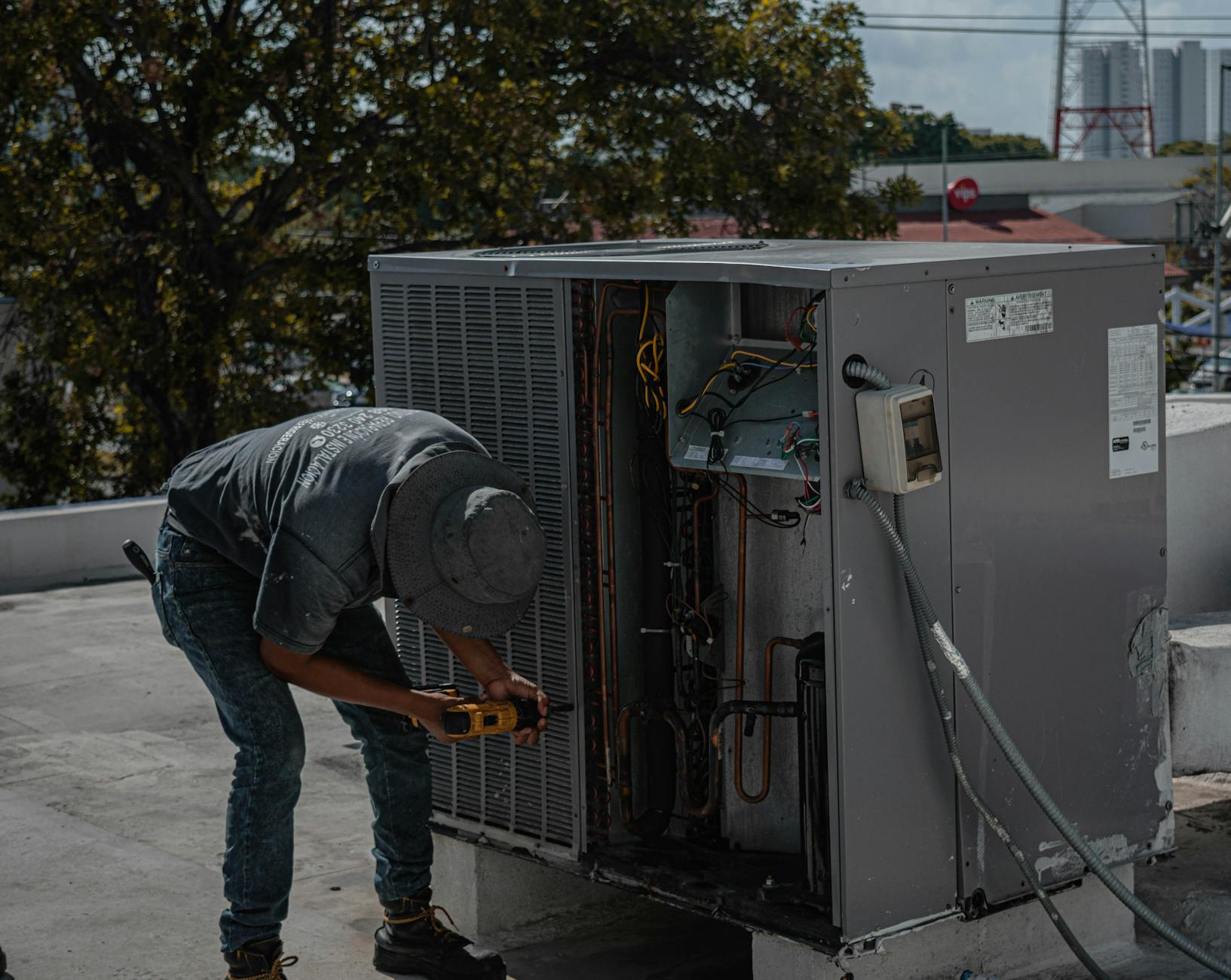
A furnace should be professionally serviced once a year, ideally in early fall before the heating season starts. If you run a high-efficiency condensing furnace or your system works hard through long northern winters, twice-a-year service is worth the extra cost.
Furnace maintenance is scheduled preventive care that keeps your heating system running safely and efficiently. Below we cover what a tune-up actually includes, what it costs in 2026, how often different furnace types need attention, and the warning signs that mean you should not wait for the next appointment.
The Short Answer: Once a Year, Before Winter
Every major furnace manufacturer - Carrier, Trane, Lennox, Rheem, Goodman - requires annual professional service to keep the warranty valid. Skip it and a failed heat exchanger at year six becomes your problem, not theirs.
Timing matters as much as frequency. Book your service in September or October. By November, every HVAC company in the country is booked two weeks out, and the first cold snap sends emergency calls through the roof. Getting ahead of that rush means your furnace is inspected, cleaned, and adjusted before you actually need it.
If you live in a region with brutal winters - upstate New York, Minnesota, the Dakotas, northern New England - consider a second service in spring. That mid-year check catches blower motor wear and dirty burners before they turn into a no-heat call in January.
Why Annual Service Matters More Than Most Homeowners Think
A neglected furnace loses roughly 5% of its efficiency every year it goes unserviced. Over a decade, that is a 50% drop - you are burning the same gas and getting half the heat.
Three things happen when a furnace runs without maintenance:
- Dust and debris coat the heat exchanger. The metal overheats, cracks, and starts leaking carbon monoxide into your supply air.
- The blower motor dries out. Bearings seize, amp draw climbs, and the motor burns out - a $400-$800 repair you could have avoided with a $15 lubrication.
- The flame sensor corrodes. The furnace short-cycles, ignites, and shuts off repeatedly, wearing out the ignitor and control board.
Regular furnace maintenance & tune-up catches all three before they become expensive. Our technicians in the field see it every week: a furnace that has been serviced every year since installation routinely lasts 18-22 years. One that has never been touched usually dies at 10-12.
What Actually Happens During a Furnace Tune-Up
A proper tune-up takes 60-90 minutes and covers 20-25 checkpoints. If a company is in and out in 20 minutes, they are not doing the work.
Here is what a real service visit includes:
- Combustion analysis. We measure carbon monoxide in the flue and supply air. Anything above 100 ppm in the flue or any reading above 9 ppm in the supply air means the heat exchanger needs a closer look.
- Burner cleaning and adjustment. Burners are pulled, brushed, and the flame is checked for proper color and shape - a steady blue flame, not a lazy yellow one.
- Heat exchanger inspection. Visual and, on high-efficiency units, camera inspection for cracks, corrosion, or soot streaks.
- Blower motor service. Cleaning, lubrication, and amp-draw testing. A motor pulling more than its nameplate amps is on its way out.
- Filter replacement. A dirty filter restricts airflow and overheats the heat exchanger. We swap it and note the size for you.
- Gas pressure check. Manifold pressure is verified against the manufacturer's spec - usually 3.5 inches of water column for natural gas, 10-11 for propane.
- Safety controls test. Flame sensor, limit switch, rollout switch, and pressure switch are all tested for proper operation.
- Thermostat calibration. We verify the thermostat is reading accurately and cycling the furnace as expected.
You should get a written report listing every reading and every part inspected. Ask for it. If a company cannot produce one, they are guessing.
How Often Should Different Furnace Types Be Serviced?
Not every furnace has the same service interval. Here is how we break it down for our customers:
Gas furnaces
Once a year, every year. Gas furnaces have a heat exchanger, burners, and a flue that all need annual inspection. Carbon monoxide risk makes this non-negotiable. If you notice any of the signs we cover in our gas furnace repair guide - yellow flame, soot, or a CO detector going off - shut the system down and call us.
Oil furnaces
Once a year, and oil furnaces are less forgiving than gas. Oil burns dirtier, so the nozzle, filter, and combustion chamber need annual cleaning. A clogged nozzle turns into a puffback - a cloud of soot blown through your entire house. Annual oil furnace repair and service prevents that.
Electric furnaces
Every 1-2 years. Electric furnaces have fewer combustion parts, but the heating elements, sequencer, and blower still need inspection. We recommend annual service if you run the system hard, every other year if it is a backup heat source.
High-efficiency condensing furnaces
Once a year minimum, twice a year in cold climates. Condensing furnaces produce acidic condensate that eats through the secondary heat exchanger and drain lines. Annual cleaning of the condensate trap and inspection of the PVC flue is critical.
Mobile home furnaces
Once a year. Mobile home furnaces are often installed in tight closets with limited airflow, which accelerates dust buildup. We see more cracked heat exchangers on mobile home units than any other type. Our mobile home furnace repair team handles these regularly.
How Much Does Furnace Maintenance Cost in 2026?
Typical 2026 pricing for a single-furnace tune-up runs $89-$200 depending on your region and the type of furnace. Here is what we see across the country:
- Basic tune-up: $89-$150. Covers cleaning, filter, combustion check, and safety inspection.
- Comprehensive service: $150-$250. Includes everything above plus blower motor service, heat exchanger camera inspection, and a written report.
- Oil furnace service: $175-$300. Nozzle replacement, filter, combustion chamber cleaning, and draft test.
- Maintenance plan: $12-$25 per month. Usually includes two visits per year, priority scheduling, and 10-15% off repairs.
Compare that to the cost of a mid-winter emergency call: $250-$500 just to show up, plus parts. A $120 tune-up in October is the cheapest insurance you will buy all year.
If your furnace is 15 years or older and the repair estimate tops $1,500, it may be time to talk about furnace replacement instead of another repair. A new 96% AFUE furnace cuts your heating bill by 20-30% compared to a 15-year-old 80% unit.
Signs Your Furnace Needs Service Right Now
Do not wait for your annual appointment if you notice any of these:
- Yellow or orange flame. A healthy gas flame is blue. Yellow means incomplete combustion and carbon monoxide production.
- Soot around the burner compartment. A sign of improper combustion or a cracked heat exchanger.
- Rumbling, popping, or banging. Delayed ignition - gas is building up before it lights.
- Short cycling. The furnace runs for 2-3 minutes, shuts off, and repeats. Usually a dirty flame sensor or oversized unit.
- Cold air from the vents. Could be a blower issue, a stuck limit switch, or a pilot problem.
- Rising gas bills with no change in usage. Efficiency has dropped. Something needs attention.
- CO detector alarms. Shut the furnace off at the breaker, open windows, leave the house, and call for emergency furnace repair.
Any of these symptoms means the furnace needs eyes on it now, not in three weeks.
Common Mistakes Homeowners Make With Furnace Maintenance
The biggest mistake is treating furnace service as optional until something breaks. Here are the others we see constantly:
- Changing the filter only when they remember. Standard 1-inch filters need replacement every 1-3 months. Pleated 4-inch filters last 6-12 months. Write the date on the filter when you install it.
- Closing vents in unused rooms. This raises static pressure in the ductwork and can crack the heat exchanger. Leave the vents open.
- Blocking the return air. Furniture, rugs, and boxes in front of the return grille starve the furnace for air. Keep 12-18 inches of clearance.
- Using the wrong filter. A MERV 13 filter in a system designed for MERV 8 chokes airflow and overheats the furnace. Match the filter to the system.
- Skipping service because the furnace "seems fine." Carbon monoxide has no smell. A cracked heat exchanger does not announce itself.
- Hiring the cheapest tune-up. A $49 special is usually a sales pitch for a $4,000 system replacement. Ask what the visit actually includes.
When to Call a Professional
Call a licensed technician any time you smell gas, see soot, hear banging, or your CO detector goes off. Those are not DIY situations.
For routine maintenance, the line is simpler: if you have not had the furnace serviced in the last 12 months, it is time. Our team at Furnace Rescue Pros handles annual tune-ups, safety inspections, and repairs on every major brand. We work on gas, oil, electric, and mobile home furnaces, and we quote the price before we start.
If your furnace is acting up right now - no heat, short cycling, weird noises - do not wait for the next scheduled visit. A small problem caught early stays small.
Frequently Asked Questions
How often should a furnace be serviced?
Once a year, ideally in early fall before the heating season. High-efficiency condensing furnaces and systems in cold climates benefit from a second spring service. Annual service keeps the warranty valid and catches problems before they become emergencies.
What happens if I skip furnace maintenance?
Efficiency drops about 5% per year, parts wear out faster, and the risk of a cracked heat exchanger or carbon monoxide leak climbs. Skipping service also voids most manufacturer warranties. A $120 tune-up prevents $500-$1,500 repairs.
How long does a furnace tune-up take?
A thorough tune-up takes 60-90 minutes. That includes combustion analysis, burner cleaning, heat exchanger inspection, blower motor service, filter replacement, and safety control testing. If a technician finishes in 20 minutes, they skipped most of the checklist.
Is annual furnace service really necessary?
Yes. Every major manufacturer requires it to keep the warranty valid, and it is the only way to catch carbon monoxide risks before they hurt someone. The efficiency and lifespan gains alone usually pay for the service.
What is the best time of year to service a furnace?
September and October are ideal. You beat the winter rush, and any parts that need ordering arrive before the first cold snap. Spring service in March or April works too if you missed the fall window.
Get Help With Furnace Repair in the United States
Whether you need a routine tune-up or a same-day repair, our team is ready. We service every major brand and furnace type, and we quote the price before we start.
Call Furnace Rescue Pros at (855) 797-0010 to schedule your service today.
Frequently asked questions
How often should a furnace be serviced?
Once a year, ideally in early fall before the heating season. High-efficiency condensing furnaces and systems in cold climates benefit from a second spring service. Annual service keeps the warranty valid and catches problems before they become emergencies.
What happens if I skip furnace maintenance?
Efficiency drops about 5% per year, parts wear out faster, and the risk of a cracked heat exchanger or carbon monoxide leak climbs. Skipping service also voids most manufacturer warranties. A $120 tune-up prevents $500-$1,500 repairs.
How long does a furnace tune-up take?
A thorough tune-up takes 60-90 minutes. That includes combustion analysis, burner cleaning, heat exchanger inspection, blower motor service, filter replacement, and safety control testing. If a technician finishes in 20 minutes, they skipped most of the checklist.
Is annual furnace service really necessary?
Yes. Every major manufacturer requires it to keep the warranty valid, and it is the only way to catch carbon monoxide risks before they hurt someone. The efficiency and lifespan gains alone usually pay for the service.
What is the best time of year to service a furnace?
September and October are ideal. You beat the winter rush, and any parts that need ordering arrive before the first cold snap. Spring service in March or April works too if you missed the fall window.