How Much Does Furnace Repair Cost and What Affects the Price?
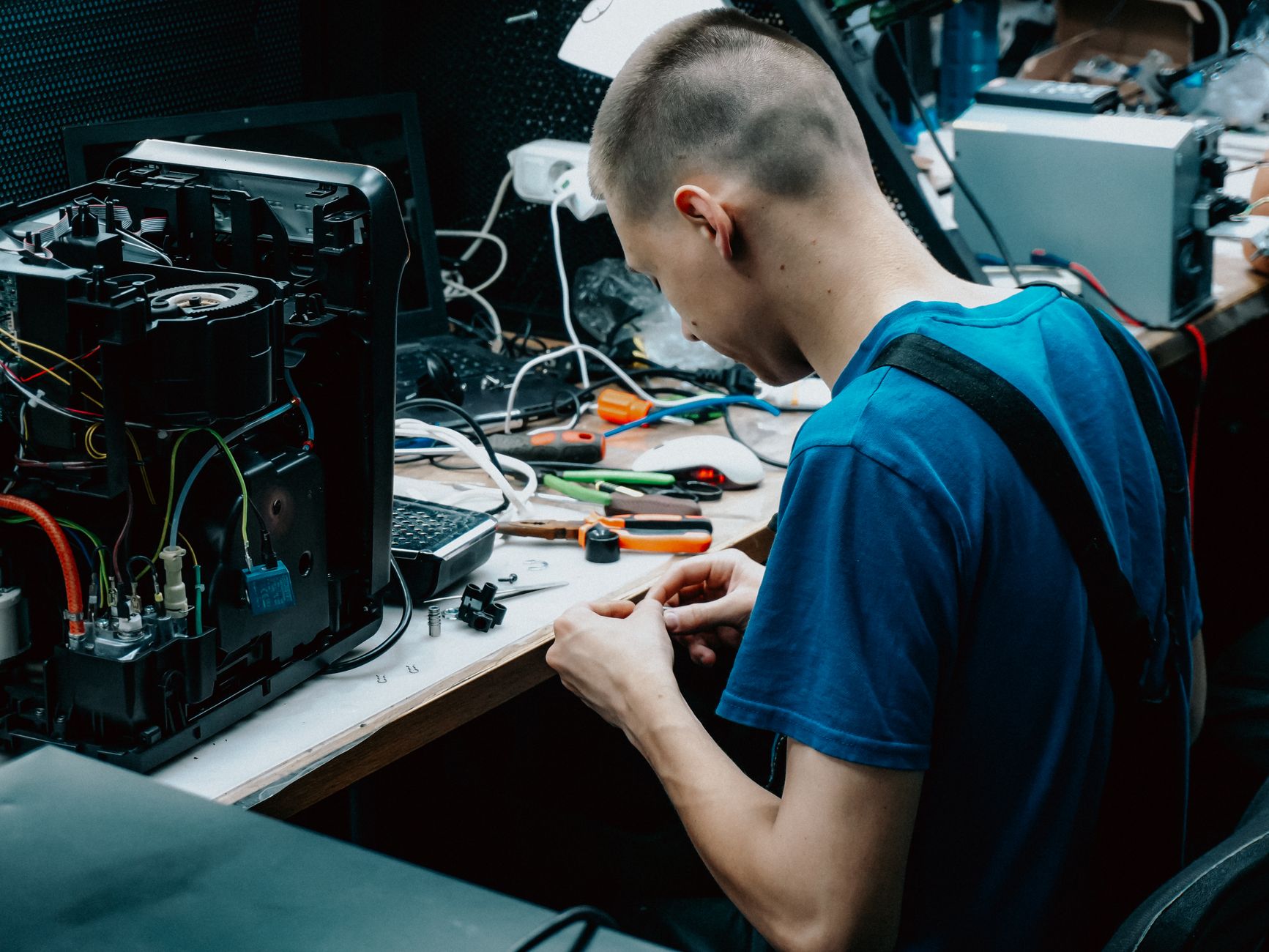
Furnace repair in the United States costs between $150 and $1,200 in 2026, with the national average landing near $450. The final number depends on which part failed, how hard it is to reach, and whether the repair happens on a Tuesday afternoon or at 2 a.m. on the coldest night of January. Below we break down real 2026 pricing by repair type, explain the seven factors that move the number up or down, and show you when a repair stops making financial sense.
How Much Does Furnace Repair Cost in 2026?
Furnace repair is the diagnosis and correction of a fault in a forced-air heating system - anything from a failed igniter to a cracked heat exchanger - and it is needed whenever your system blows cold air, short-cycles, or refuses to start. A standard diagnostic visit runs $75 to $150, and that fee is often credited toward the repair if you approve the work.
Here is what homeowners actually paid across the country this year:
- Minor repairs (igniter, flame sensor, thermocouple): $150-$350
- Mid-range repairs (blower motor, inducer motor, control board): $350-$800
- Major repairs (heat exchanger, main blower, gas valve): $800-$1,800
- Emergency or after-hours calls: add $100-$300
Two identical furnaces can produce two very different invoices. A blower motor swap in an open basement takes 90 minutes. The same motor in a closet-mounted unit behind drywall takes four hours and a second technician. Labor is roughly half the bill in both cases.
The 7 Factors That Actually Drive Your Furnace Repair Price
Seven variables explain almost every furnace repair quote you will see in 2026: the failed part, the age of the system, the fuel type, accessibility, time of day, your region, and whether the technician has to diagnose a ghost problem that only shows up intermittently.
1. The Part That Failed
Parts range from a $25 flame sensor to a $1,400 heat exchanger. The part itself is rarely the biggest line item - labor is - but a heat exchanger or control board pushes the total into four figures before the technician picks up a wrench.
2. Age and Condition of the Furnace
A 20-year-old furnace has brittle wiring, seized bolts, and discontinued parts. Every repair takes longer, and some parts have to be sourced from a specialty supplier. On units past 15 years, we often quote a repair and a furnace replacement side by side so you can see the real math.
3. Fuel Type
Gas and oil furnaces carry different parts, different safety requirements, and different labor times. Gas is the most common and generally the cheapest to service. Oil burners need nozzle and filter changes plus combustion testing, and oil furnace repair typically runs $50 to $150 higher than the equivalent gas job. Electric furnaces are simpler - fewer moving parts, no combustion - and electric furnace repair is usually the lowest of the three.
4. Accessibility
A furnace in a clean, well-lit basement is a 60-minute job. The same furnace in an attic crawlspace with 18 inches of clearance is a three-hour job with two technicians. Add $150 to $400 for tight-access work.
5. Time of Day and Season
Standard business hours are the cheapest. Nights, weekends, and holidays add $100 to $300. The first cold snap of the season adds a wait - sometimes 24 to 48 hours - because every furnace in the metro fails at once.
6. Your Region
Labor rates vary widely. A technician hour in rural Mississippi runs $75 to $95. The same hour in Boston or Seattle runs $140 to $185. Cold-climate states also see higher demand from November through March, which pushes prices toward the top of the range.
7. Diagnostic Complexity
Intermittent faults - the furnace that only fails when it is below 20°F - can take two or three visits to pin down. Each visit is billable. We tell customers upfront when a problem is likely to need a return trip.
Furnace Repair Cost by Type of Problem
Most furnace repair calls fall into a handful of predictable categories. Here is what each one costs in 2026, parts and labor included.
- Igniter or flame sensor: $150-$300. The most common no-heat call. A 30-minute fix once the part is on the truck.
- Thermocouple (older standing-pilot units): $150-$250.
- Inducer motor: $400-$700. If your furnace hums but never lights, this is often why.
- Blower motor: $450-$900. Weak airflow, rattling, or a furnace that overheats and shuts down. We handle these as furnace blower motor repair and usually have common sizes on the van.
- Control board: $500-$1,000. Modern boards are proprietary and expensive.
- Gas valve: $400-$800.
- Heat exchanger: $1,200-$2,500. At this price, replacement is usually the smarter call.
- Clogged condensate line (high-efficiency units): $100-$200.
If your system is a manufactured home unit, parts availability changes the math. Mobile home furnace repair often runs $100 to $200 more because the cabinets are smaller and the components are non-standard.
Repair or Replace? The $4,500 Rule
If the repair costs more than one-third of a new furnace and your unit is over 15 years old, replace it. A new 80% AFUE gas furnace installed runs $3,500 to $6,500 in 2026, and a high-efficiency 96% unit runs $5,500 to $9,000. So the one-third threshold sits around $1,500 to $2,200.
Three other signals push toward replacement:
- Two or more repairs in the last 12 months
- A cracked heat exchanger (a carbon monoxide risk, not a repair)
- R-22 or other obsolete refrigerant in a paired AC system
If you are on the fence, a furnace inspection & servicing visit gives you a written condition report - combustion readings, static pressure, amp draw on the blower - so you can decide with data instead of a sales pitch.
Why Is Furnace Repair More Expensive in Winter?
Furnace repair costs 20% to 40% more in winter because demand spikes, after-hours calls multiply, and technicians are working in cold, cramped spaces. From November through February, every HVAC company in the country is booked solid. Emergency rates apply more often, and parts that are normally stocked locally get backordered.
The cheapest time to deal with a furnace is late summer or early fall - before the first cold snap. A $120 furnace maintenance & tune-up in September routinely prevents the $600 mid-January breakdown. We see it every year: the customers who tune up in the fall are the ones who are not calling us on the coldest night of the year.
Common Mistakes That Raise Your Furnace Repair Bill
Most of the expensive furnace repairs we run are the result of something the homeowner did - or did not do - in the months before the breakdown.
- Skipping the annual tune-up. A dirty flame sensor or a clogged filter is a $150 problem if caught early and a $700 problem if it takes out the inducer motor.
- Running a clogged filter. A $15 filter change every 60 to 90 days is the single cheapest thing you can do for your furnace. A restricted filter overheats the heat exchanger and burns out the blower.
- Ignoring the first warning signs. A yellow flame instead of blue, a rattle on startup, or a furnace that short-cycles are all early warnings. Waiting turns a $200 repair into a $1,500 one.
- Calling a handyman for a gas appliance. Gas work requires a licensed technician. A DIY gas repair is a code violation and a safety hazard, and it voids most manufacturer warranties.
- Choosing the lowest bid without asking what is included. A $99 diagnostic that turns into a $1,200 repair with no prior approval is a red flag. Ask for the diagnostic fee and the labor rate before you book.
When to Call a Professional
Call a professional the moment you smell gas, see soot around the burner, hear the furnace rumbling like a freight train, or notice the blower running but no heat for more than 15 minutes. Those are not DIY problems. Neither is anything involving the gas valve, the control board, or the heat exchanger.
At Furnace Rescue Pros, we run emergency furnace repair across the country, seven days a week, with upfront pricing before we start. Our technicians carry the common parts - igniters, flame sensors, blower motors, control boards - so most homes are back to heat in a single visit. If you are not sure whether your problem is urgent, call and describe it. We will tell you straight.
Frequently Asked Questions
How much does a furnace diagnostic cost?
A furnace diagnostic typically costs $75 to $150 in 2026, and most companies credit that fee toward the repair if you approve the work. Emergency and after-hours diagnostics run $150 to $250. Ask for the diagnostic fee before you book so there are no surprises.
Is it worth repairing a 20-year-old furnace?
Usually no. A 20-year-old furnace is past its 15-to-20-year service life, and repairs on units that old tend to cascade. If the repair exceeds $1,500 or the heat exchanger is cracked, replacement is the better financial call. A new furnace also cuts heating bills 15% to 30%.
Why did my furnace stop working overnight?
The three most common overnight failures are a tripped flame sensor, a clogged filter that triggered the high-limit switch, and a failed igniter. Check the filter and the breaker first. If the furnace still will not fire, it needs a technician - usually a same-day fix.
How long does a furnace repair take?
Most furnace repairs take 1 to 3 hours once the technician has the right part on hand. Simple fixes like an igniter or flame sensor are done in under 90 minutes. Heat exchanger replacements take 4 to 8 hours and are often better handled as a full replacement.
Does homeowners insurance cover furnace repair?
Standard homeowners insurance does not cover furnace repair from normal wear and tear. It may cover damage from a covered peril - a fire, a burst pipe, or a power surge. A home warranty or an HVAC service plan is the better tool for routine breakdowns.
Get Help With Furnace Repair in the United States
If your furnace is down or acting up, we can have a technician at your door today with upfront pricing and the parts to fix it on the first visit. Call Furnace Rescue Pros at (855) 797-0010 and we will get your heat back on.
Frequently asked questions
How much does a furnace diagnostic cost?
A furnace diagnostic typically costs $75 to $150 in 2026, and most companies credit that fee toward the repair if you approve the work. Emergency and after-hours diagnostics run $150 to $250.
Is it worth repairing a 20-year-old furnace?
Usually no. A 20-year-old furnace is past its 15-to-20-year service life, and repairs on units that old tend to cascade. If the repair exceeds $1,500 or the heat exchanger is cracked, replacement is the better financial call.
Why did my furnace stop working overnight?
The three most common overnight failures are a tripped flame sensor, a clogged filter that triggered the high-limit switch, and a failed igniter. Check the filter and the breaker first. If the furnace still will not fire, it needs a technician.
How long does a furnace repair take?
Most furnace repairs take 1 to 3 hours once the technician has the right part on hand. Simple fixes like an igniter or flame sensor are done in under 90 minutes. Heat exchanger replacements take 4 to 8 hours.
Does homeowners insurance cover furnace repair?
Standard homeowners insurance does not cover furnace repair from normal wear and tear. It may cover damage from a covered peril - a fire, a burst pipe, or a power surge. A home warranty or HVAC service plan is the better tool for routine breakdowns.